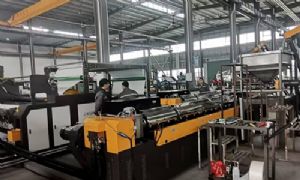
High Speed Slitting Machinery enterprises: improving after-sales service is crucial
In the competitive landscape of industrial manufacturing, High Speed Slitting Machinery has become an indispensable asset for businesses involved in converting films, foils, papers, and textiles. These machines enable high-volume precision cutting, ensuring consistent product quality and operational efficiency. However, as companies increasingly rely on this advanced equipment, the importance of after-sales service has grown beyond mere support—it has become a critical differentiator among manufacturers. Companies that prioritize and continuously improve their after-sales service for High Speed Slitting Machinery are not only enhancing customer satisfaction but also securing long-term loyalty and market leadership.
The complexity of High Speed Slitting Machinery demands more than just a one-time installation. These systems integrate mechanical, electrical, and software components that require regular calibration, preventive maintenance, and prompt troubleshooting. When a machine breaks down, production lines halt, leading to costly delays and missed delivery deadlines. Customers therefore expect more than reactive repairs; they need proactive, reliable, and comprehensive service solutions. Enterprises that fail to meet these expectations risk losing clients to competitors who offer faster response times, better-trained technicians, and more transparent communication.
Improving after-sales service begins with investing in technician training. High Speed Slitting Machinery often comes with proprietary software and unique operational parameters that require specialized knowledge. Manufacturers must ensure their service teams are not only well-versed in mechanical repairs but also skilled in diagnosing control system errors, interpreting diagnostic logs, and performing software updates. Continuous training programs, certification pathways, and hands-on workshops help technicians stay current with evolving machine designs and software versions. This level of expertise reduces mean time to repair and minimizes downtime for clients.
Another vital component is the development of a robust parts logistics network.
High Speed Slitting Machinery operates around the clock in many facilities, meaning delays in obtaining replacement parts can be catastrophic. Leading manufacturers now maintain regional warehouses stocked with critical components such as blades, bearings, tension controllers, and drive motors. Some even offer predictive parts replacement programs based on usage data collected through machine sensors. By anticipating wear and tear before failure occurs, companies can schedule maintenance during planned downtimes, preventing unexpected production interruptions.
Digital tools are also transforming after-sales service for High Speed Slitting Machinery. Remote monitoring systems allow service teams to access real-time operational data from machines installed at customer sites. Alerts can be triggered for abnormal vibrations, temperature spikes, or torque deviations, enabling technicians to intervene before a breakdown occurs. Mobile apps and digital service portals give customers visibility into maintenance schedules, service history, and warranty status, fostering transparency and trust. These technologies turn service from a cost center into a value-added feature that enhances customer experience.
Customer communication is equally important. Many service failures stem not from technical incompetence but from poor communication. Customers appreciate timely updates, clear explanations of issues, and realistic timelines for resolution. Establishing dedicated account managers or service coordinators who act as a single point of contact helps streamline interactions and reduces frustration. Regular follow-ups after service visits, feedback surveys, and annual service reviews demonstrate a commitment to continuous improvement and show customers they are valued partners, not just transactional buyers.
Furthermore, offering extended service contracts and flexible maintenance packages can provide customers with peace of mind and predictable operational costs. These packages can include priority response times, discounted labor rates, and complimentary software upgrades. By bundling service with equipment sales, manufacturers create recurring revenue streams while deepening customer relationships.
In an industry where technological innovation moves rapidly, the true competitive advantage of High Speed Slitting Machinery manufacturers lies not only in the machine's speed and precision but in the reliability of the support system behind it. Companies that treat after-sales service as a strategic pillar rather than an afterthought will build stronger reputations, enjoy higher customer retention rates, and position themselves as trusted long-term partners. In the end, a machine is only as good as the service that keeps it running—and for High Speed Slitting Machinery, exceptional after-sales support is no longer optional; it is essential.

 HOT LINE: 086-577-65159218