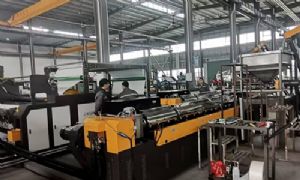
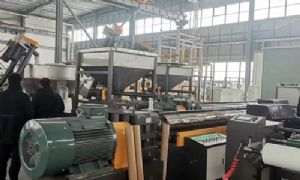
In today's competitive manufacturing landscape, enterprises that produce and supply Hot melt Adhesive Spraying Machines are facing increasing pressure to evolve beyond generic solutions and embrace deeper specialization. The demand for precision, efficiency, and adaptability in industrial bonding applications has grown significantly across sectors such as automotive, packaging, furniture, and hygiene product manufacturing. As a result, companies that continue to offer one-size-fits-all Hot melt Adhesive Spraying Machines risk falling behind those that tailor their technology to specific industry needs, material combinations, and production environments.
Specialization in the Hot melt Adhesive Spraying Machine market means more than just offering different nozzle sizes or temperature ranges. It requires a fundamental understanding of the end-use application. For instance, in the packaging industry, speed and consistency are paramount. A Hot melt Adhesive Spraying Machine designed for high-speed carton sealing must deliver uniform adhesive distribution at rates exceeding 200 units per minute, with minimal curing time and zero drips or stringing. In contrast, a machine used in medical mask production must meet stringent cleanliness standards, use biocompatible adhesives, and operate in controlled environments with minimal particulate contamination. These are not minor adjustments—they represent entirely different engineering philosophies.
Enterprises that invest in specialization are better positioned to solve real customer pain points. Rather than selling a standard machine and hoping it fits, specialized manufacturers collaborate closely with clients during the design phase. They analyze substrate materials, environmental conditions, production line speed, and adhesive chemistry to create customized solutions. This level of engagement transforms the Hot melt Adhesive Spraying Machine from a commodity into a mission-critical component of the customer's production system. The result is higher customer satisfaction, stronger brand loyalty, and increased willingness to pay a premium for proven performance.
Moreover, specialization enables innovation. When a company focuses on a narrow segment—say, adhesive application for flexible electronics or automotive interior trim—it develops deep domain knowledge that fuels R&D. This leads to breakthroughs such as adaptive temperature control systems that respond to ambient humidity, or intelligent sensors that detect adhesive viscosity in real time and adjust flow rates automatically. These features are not possible without focused expertise. Generalist manufacturers, by contrast, often spread their resources too thin across too many industries, resulting in incremental improvements rather than transformative ones.
Another critical factor is regulatory compliance and certification. Specialized
Hot melt Adhesive Spraying Machine manufacturers are more likely to understand and meet industry-specific standards, such as FDA requirements for food contact surfaces, ISO certifications for medical device production, or REACH regulations for chemical safety in Europe. This compliance is not an afterthought—it is built into the design process from the outset. Customers in regulated industries will not accept a machine that lacks proper documentation or certification, making specialization not just a competitive advantage but a necessity for market access.
Training and after-sales support also benefit from specialization. Technicians who work exclusively with machines used in textile bonding develop a nuanced understanding of adhesive behavior on synthetic fibers versus natural ones. They can troubleshoot issues faster, provide more accurate maintenance schedules, and offer targeted training to operators. This depth of service creates a virtuous cycle: satisfied customers become advocates, referrals increase, and market reputation grows organically.
The shift toward specialization also aligns with broader industry trends such as Industry 4.0 and smart manufacturing. Specialized Hot melt Adhesive Spraying Machines can be seamlessly integrated into digital production lines, feeding data to central control systems for predictive maintenance, quality tracking, and process optimization. These integrations require a level of software and hardware compatibility that only focused manufacturers can reliably deliver.
In conclusion, the future of the Hot melt Adhesive Spraying Machine industry belongs to those who move beyond mass production and embrace specialization. Enterprises that invest in understanding the unique demands of their target industries, develop tailored solutions, and build deep technical expertise will not only survive but thrive. The days of selling generic machines with broad claims are fading. The next generation of success will be built on precision, partnership, and purpose-driven innovation. Companies that recognize this shift now will lead the market; those that delay will struggle to remain relevant.

 HOT LINE: 086-577-65159218